Not yet photographed
No photograph of this event exists
1889
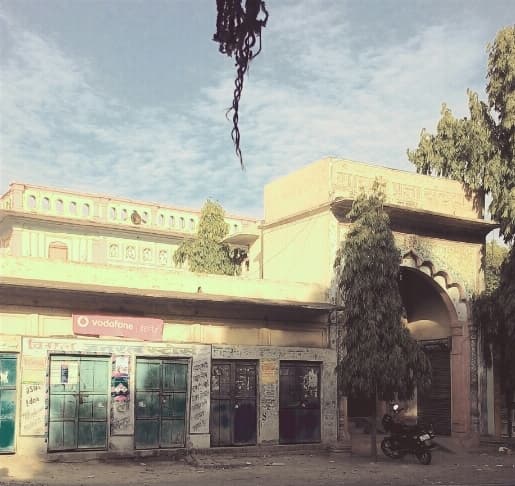
A town in Sultanpur district, and the record of it. Every claim carries its source and its grading.
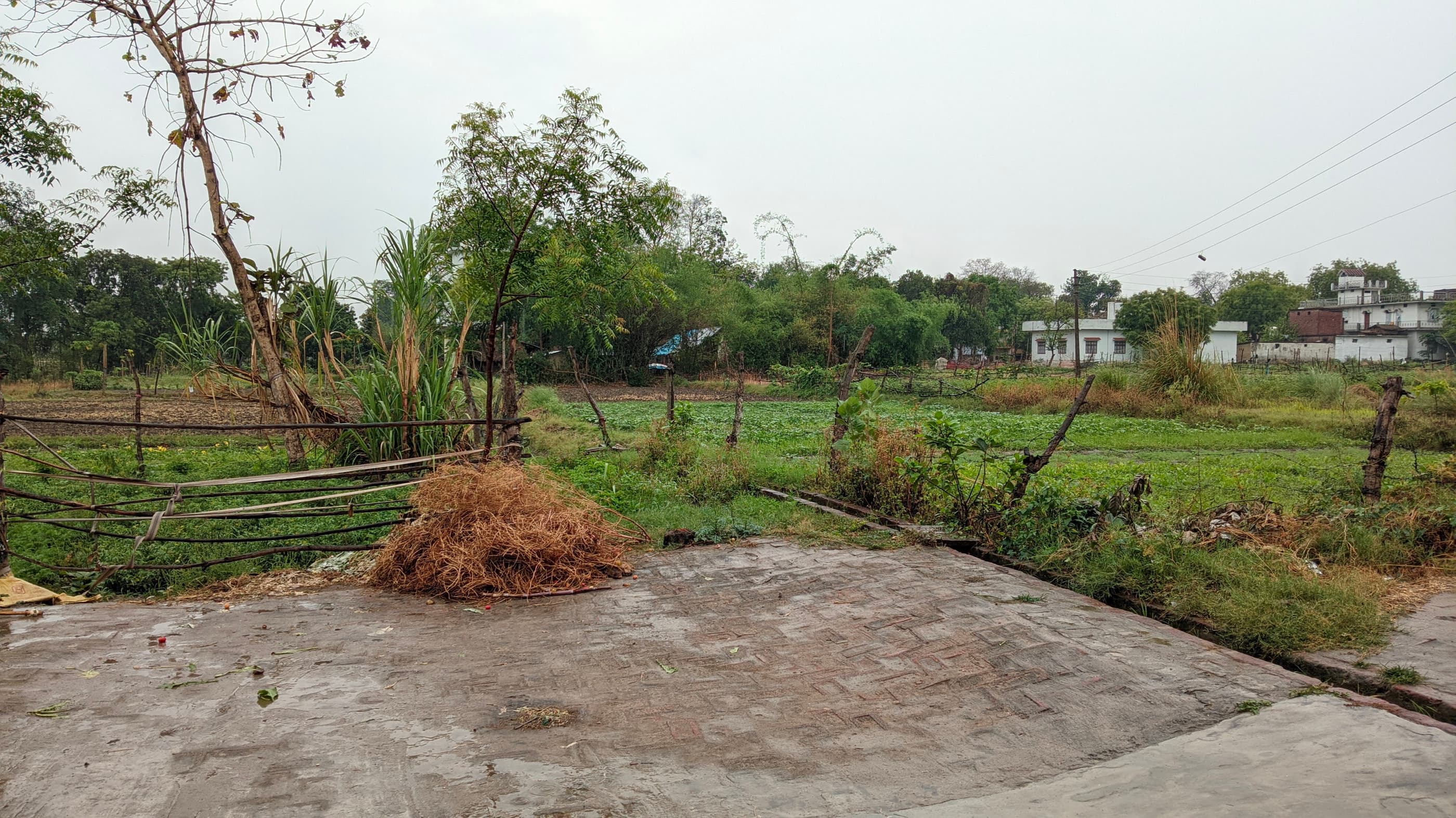
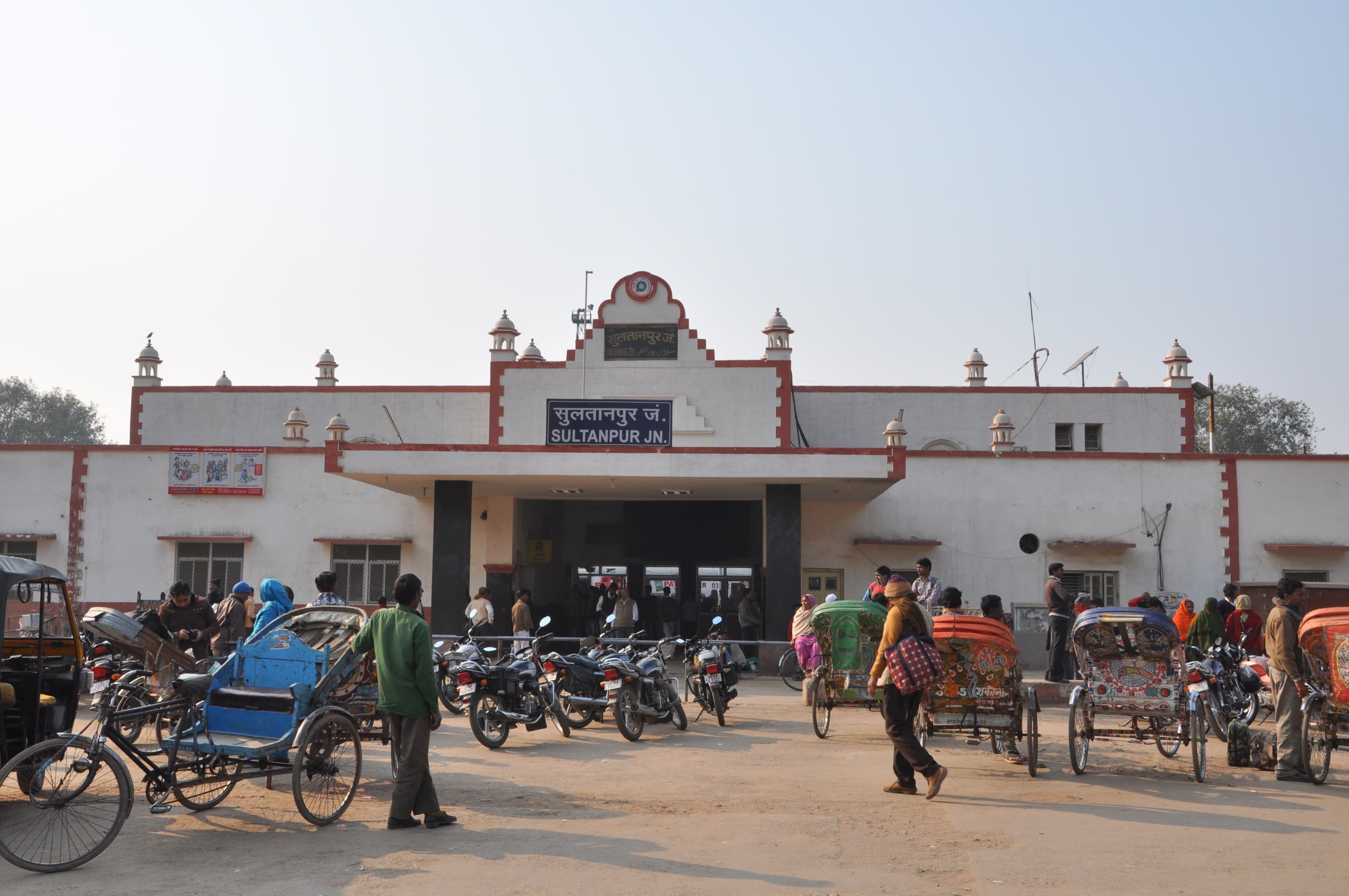
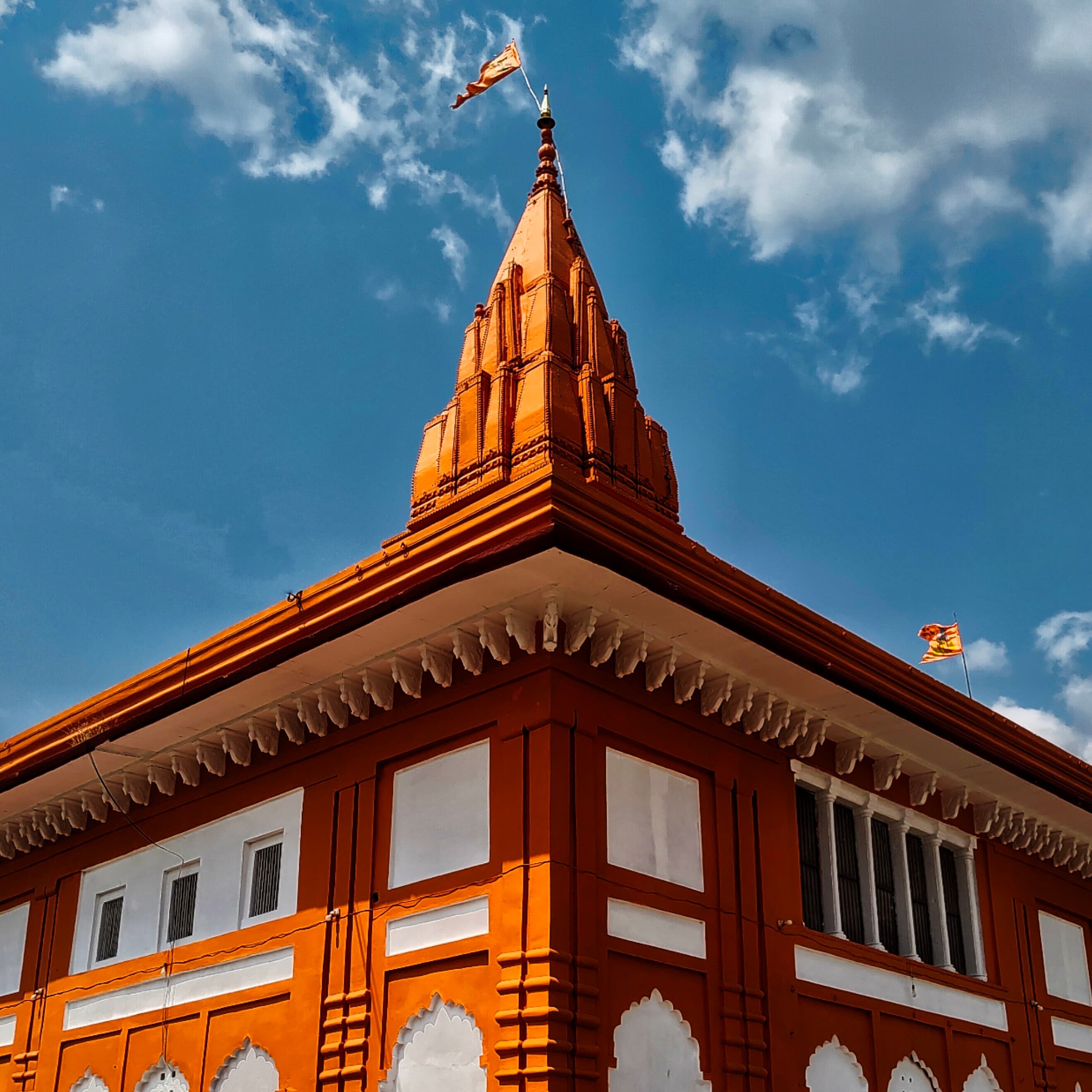
Only 4 photographs of Koiripur were found in any open collection, and not one of them is historic. This is one — 515 pixels wide, taken in 2017. It has not been stretched: the archive shows what it has at the size it has it.
Add a photograph to thisWhat this is
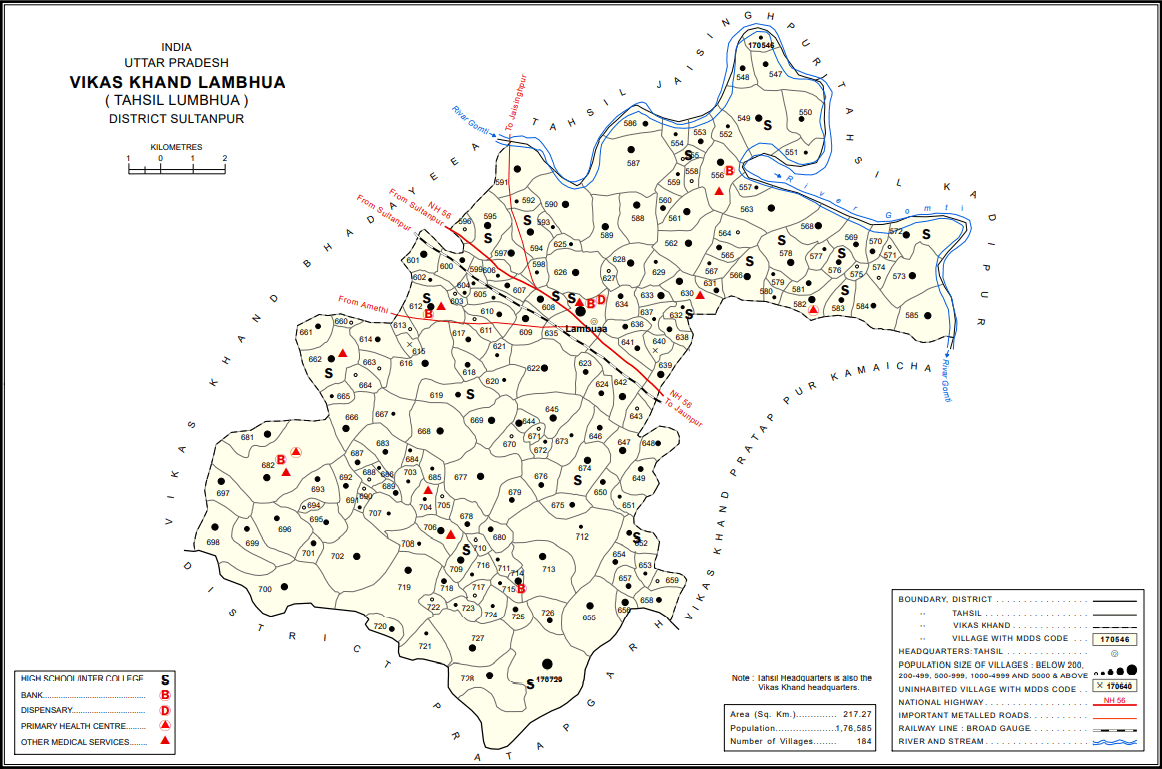
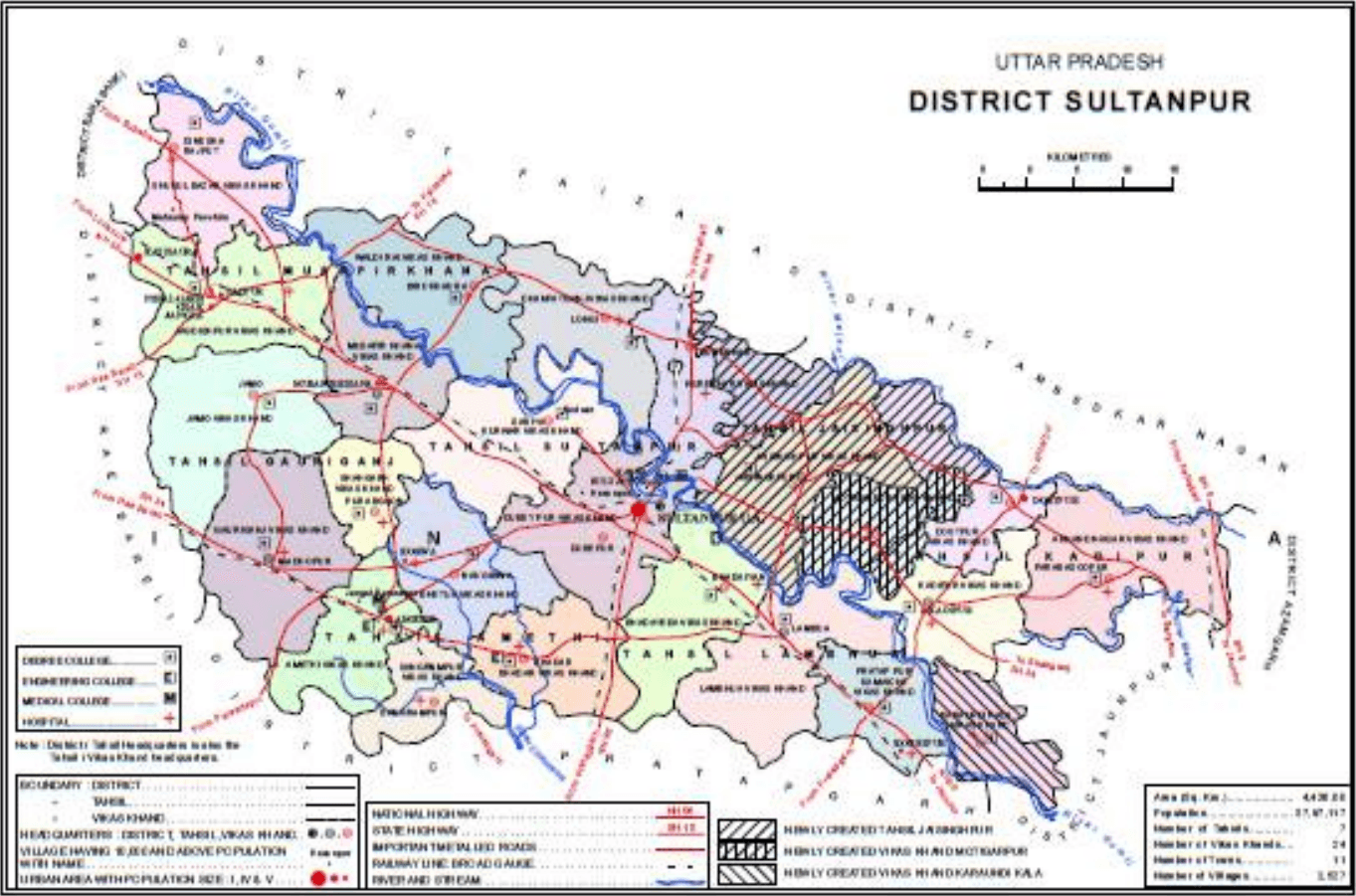
This is a digital archive of Koiripur — a nagar panchayat in Lambhua tehsil, Sultanpur district. It collects the town’s history, its places, its photographs, its documents and its voices, and it records where each of them came from.
The archive began as one person’s work and is still small. What is here has been checked; what is not here is left empty. No photograph of another town will ever stand in for one of this one.
Every claim carries one of five gradings — verified, probable, locally reported, unverified or disputed. The grading appears on every sentence, not only on the doubtful ones. Read the editorial policy.
7,268
Population · 2001
~8,900
Population · 2011
41 km
Distance to district HQ
222301
PIN code
KEPR
Railway station
Lambhua
District / tehsil
Every figure is traced in the source list. Unverified figures are not shown here at all.
History
No photograph of this event exists
1889
No photograph of this event exists
1903
No photograph of this event exists
1917–33
No photograph of this event exists
1958
No photograph of this event exists
1962
No photograph of this event exists
2001
No photograph of this event exists
2011
Places
2 of 16 places photographed
Priority sourcing: a public-domain or licensed portrait; failing that, a first-edition title page. Not lifted from a newspaper site. 4:5 · 1600×2000
People
1889 – 1962
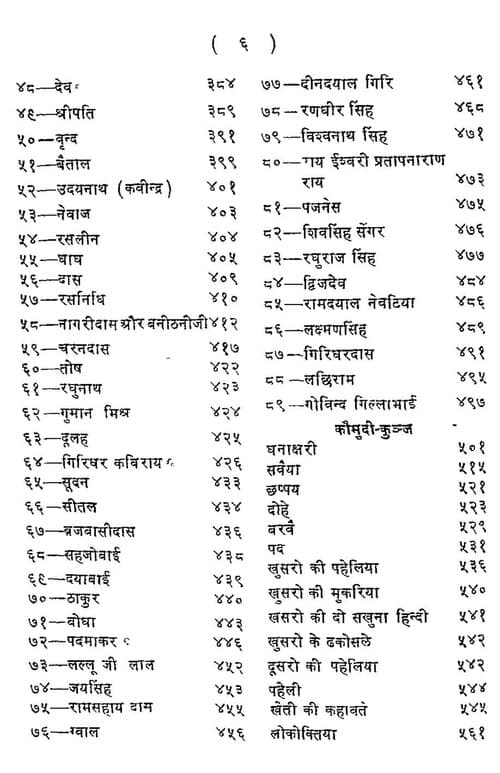
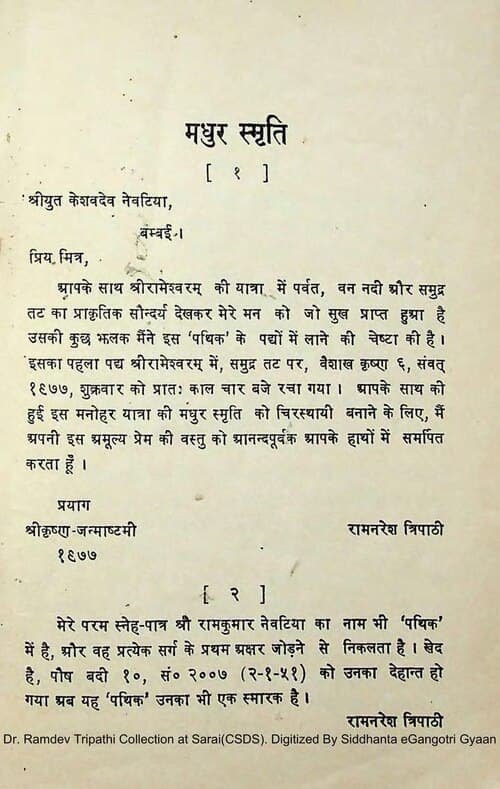
He built the first Hindi anthology of village songs by walking from village to village. It is Koiripur's strongest claim on national literary history.
Hindi literary sources give his birth as 4 March 1889 at Koiripur, then in Sultanpur district. One English account places it in Jaunpur — both readings are recorded here and neither has been deleted.
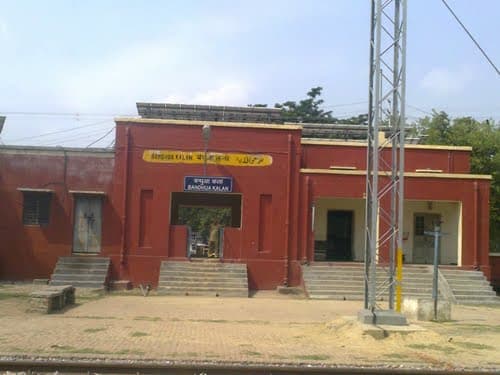
The full recordThe station nameboard at dawn; a platform with a single figure; the track vanishing point. 21:9 · 2800×1200
The bazaar
The bazaar is the section most likely to be irreplaceable in thirty years. It records named businesses, named trades and — where consent is on file — named proprietors. Specificity is the whole point.
A shopfront, 50mm, square on — the name and the trade legible
Hands at work, 85mm — no face, so publishable without portrait consent
A weighing scale or set of measures, 100mm — often decades old
The crowd at peak, 28mm, from the same point as the dawn frame
Culture
Night colour, crowd, a performer in costume, the decorated ground. ISO noted in the metadata.
Ashvin Shukla Dashami — late September to mid-October in the Gregorian calendar
Photograph this year: not yet
Night colour, crowd, a performer in costume, the decorated ground. ISO noted in the metadata.
Ashvin Shukla Pratipada to Dashami — the days leading up to Vijay Dashami
Photograph this year: not yet
Then & now
The “now” frame from the same point, at the same focal length, camera height and time of day.
The “then” half must be found in the town itself: family albums, shop walls, school records, surviving studio negatives.
There are no pairs yet. Any photograph taken before 1990 belongs in this record.
Voices
Oral history here is not decoration: every recording carries a consent form, a transcript in the original language, and only then a translation. A translation is never published alone. Age is the only real deadline in this work.
An environmental portrait, shot where the recording was made
No recording has been made yet. The first three conversations will be taken with a signed consent form and a transcript.
An environmental portrait, shot where the recording was made
No recording has been made yet. The first three conversations will be taken with a signed consent form and a transcript.
An environmental portrait, shot where the recording was made
No recording has been made yet. The first three conversations will be taken with a signed consent form and a transcript.
Map
The basemap reads as a survey sheet, not as a navigation app
Colour encodes geometric certainty only; category is carried by glyph. The coordinates are unverified, so no point is drawn.
From the archive
11 items · last accession: 2026-08-25
If you have a photograph of Koiripur from before 1990, it belongs in the record.